
 Uncategorized
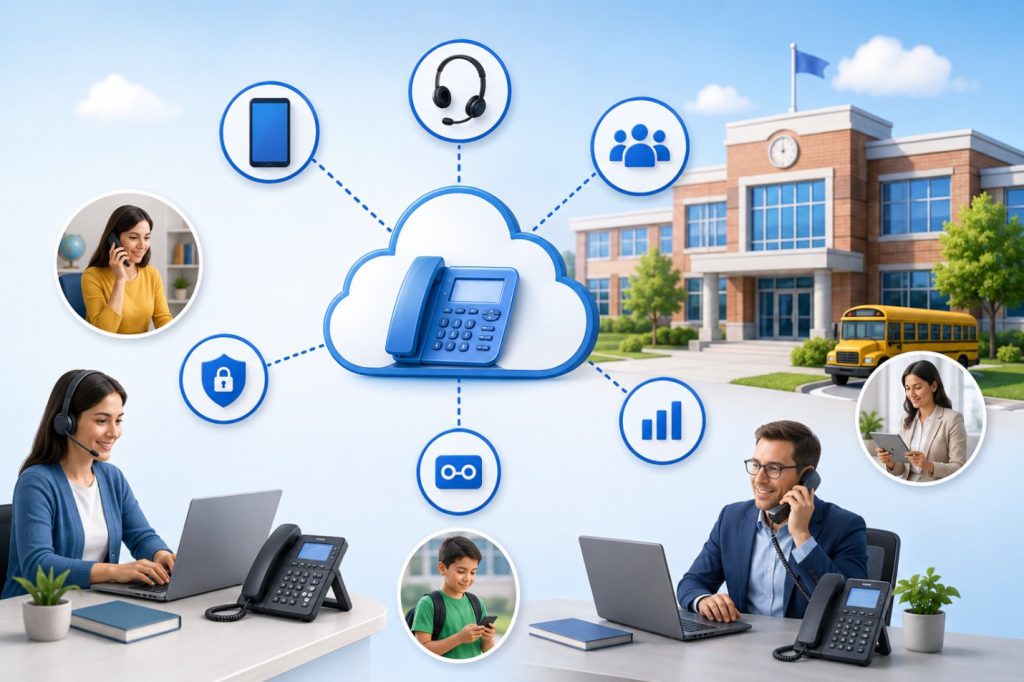
SQUIBIT® helps organizations solve real-world communication challenges with solutions for intelligent call handling and AI agents, remote and hybrid workforce communication, call recording with sentiment insights, emergency notifications, hosted faxing, and visitor screening. Designed to improve responsiveness, strengthen customer and employee engagement, enhance operational efficiency, and support organizational safety and awareness, SQUIBIT products help teams stay connected, informed, and prepared. Whether managing everyday conversations or delivering time-sensitive alerts, SQUIBIT provides practical communication tools that help organizations operate with confidence.
Every organization has unique communication requirements. Some teams need a reliable business phone system that supports multiple locations and remote home offices, while others depend on enterprise messaging, AI agents, call recording, or situational awareness notifications.
SQUIBIT® brings these capabilities together through practical solutions that support daily operations, customer engagement, organizational visibility, and safety. From improving business calling and supporting remote teams to automating messaging workflows, enhancing customer interactions with AI, capturing and reviewing conversations, coordinating alerts, and managing visitor access, SQUIBIT helps organizations build communication environments that align with the way they work.
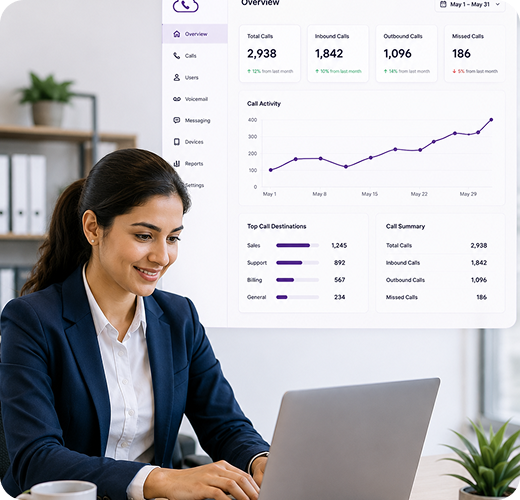
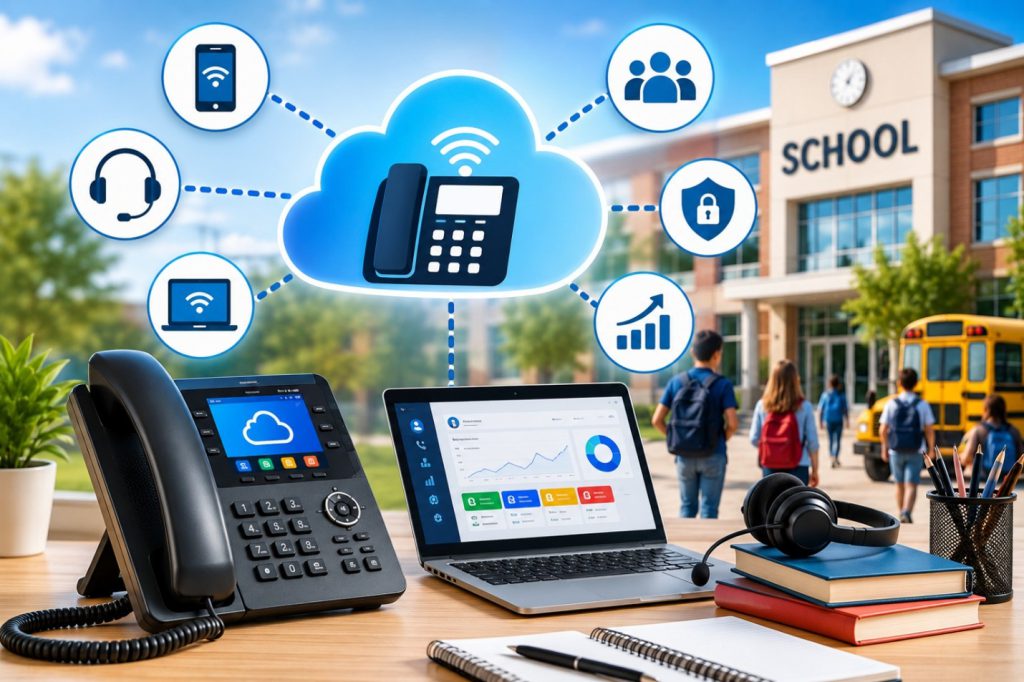
Keep your team reachable with a Unified Communications as a Service (UCaaS) solution built for everyday operations. SQUIBIT UC provides a reliable cloud-based platform for managing business calling, users, voicemail, routing, messaging, and a wide range of devices through a single connected solution.
Built to support organizations with single or multiple locations, remote employees, departments, and customer-facing teams, SQUIBIT UC delivers dependable communication that helps employees stay connected, customers stay engaged, and businesses operate more effectively.
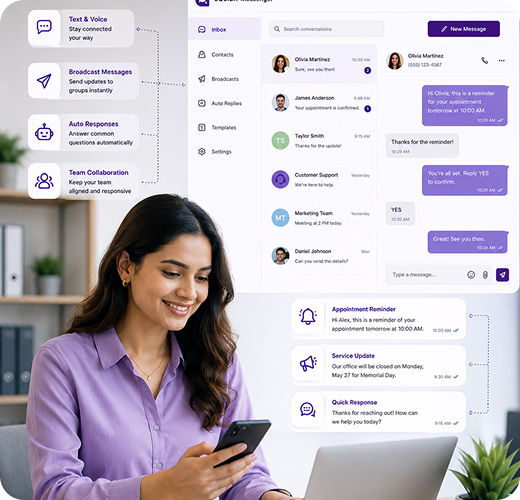
Reach customers and teams instantly with two-way business SMS messaging built into your communication platform. SQUIBIT SMS enables organizations to send and receive text messages using their existing business numbers, keeping personal and professional communications completely separate.
From appointment reminders and service alerts to team updates and customer follow-ups, SQUIBIT SMS helps organizations stay responsive and maintain consistent engagement across every channel — without requiring a separate messaging application.
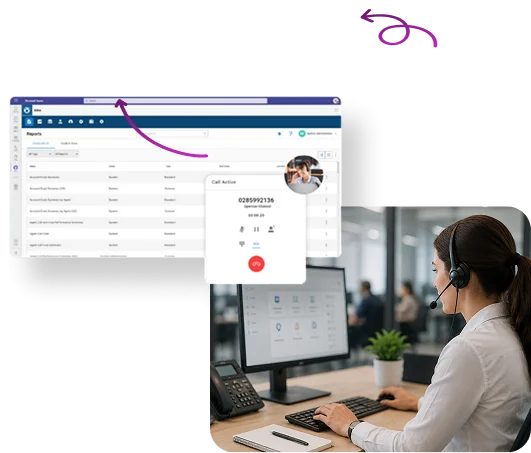
Empower your distributed workforce with a communication solution designed to keep remote and hybrid teams connected, productive, and aligned. SQUIBIT Remote Office extends your business phone system to employees wherever they work — from home offices to field locations — using softphones, mobile apps, and desk phones.
Administrators maintain full visibility and control over remote users, call routing, and availability settings from a centralized dashboard, ensuring a consistent communication experience regardless of where employees are working.

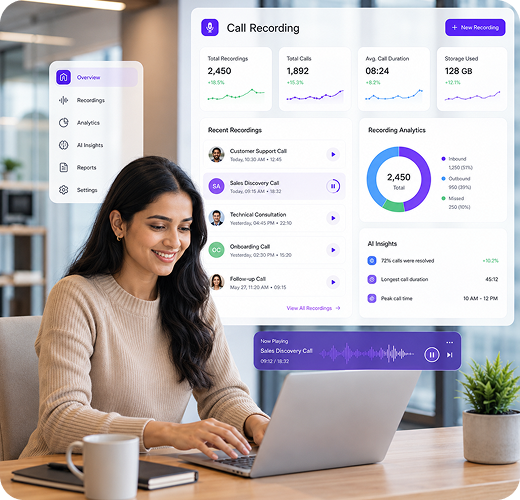
Capture, review, and analyze conversations to improve quality, support compliance, and gain actionable insights. SQUIBIT Call Recording allows organizations to record inbound and outbound calls automatically or on demand, storing recordings securely and making them easy to search, replay, and share.
With built-in sentiment analysis, teams can quickly identify customer satisfaction trends, coach agents more effectively, and ensure every interaction meets organizational standards — transforming recorded calls into a continuous source of improvement.
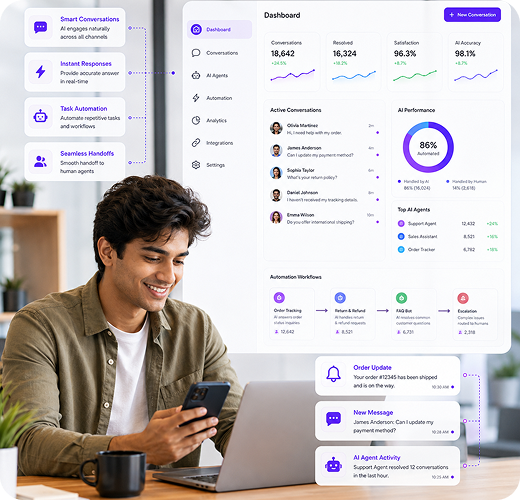
Automate customer interactions and streamline workflows with intelligent AI agents that handle inquiries, route calls, and respond to common requests without manual intervention. SQUIBIT AI Agents handle high call volumes efficiently, reducing wait times and freeing staff to focus on complex, high-value interactions.
Backed by natural language processing and configurable response logic, SQUIBIT AI Agents can be tailored to your organization's communication style, knowledge base, and escalation rules — delivering a consistent, professional customer experience around the clock.

Reach your entire organization instantly with targeted, multi-channel emergency notifications that keep people informed and safe. SQUIBIT EMN delivers time-critical alerts via voice, SMS, email, and push notifications simultaneously, ensuring every employee receives the message regardless of location or device.
With pre-built notification templates, contact list management, and delivery confirmation tracking, organizations can activate emergency communications quickly and confidently — reducing response time when it matters most.
SQUIBIT® does more than provide a communication platform. The team helps with setup, configuration, call flow planning, user alignment, integrations, and ongoing assistance so your organization can use SQUIBIT® with confidence from day one.
Uncategorized
 Uncategorized
 Uncategorized
 Uncategorized